

More capacity, more comfort.
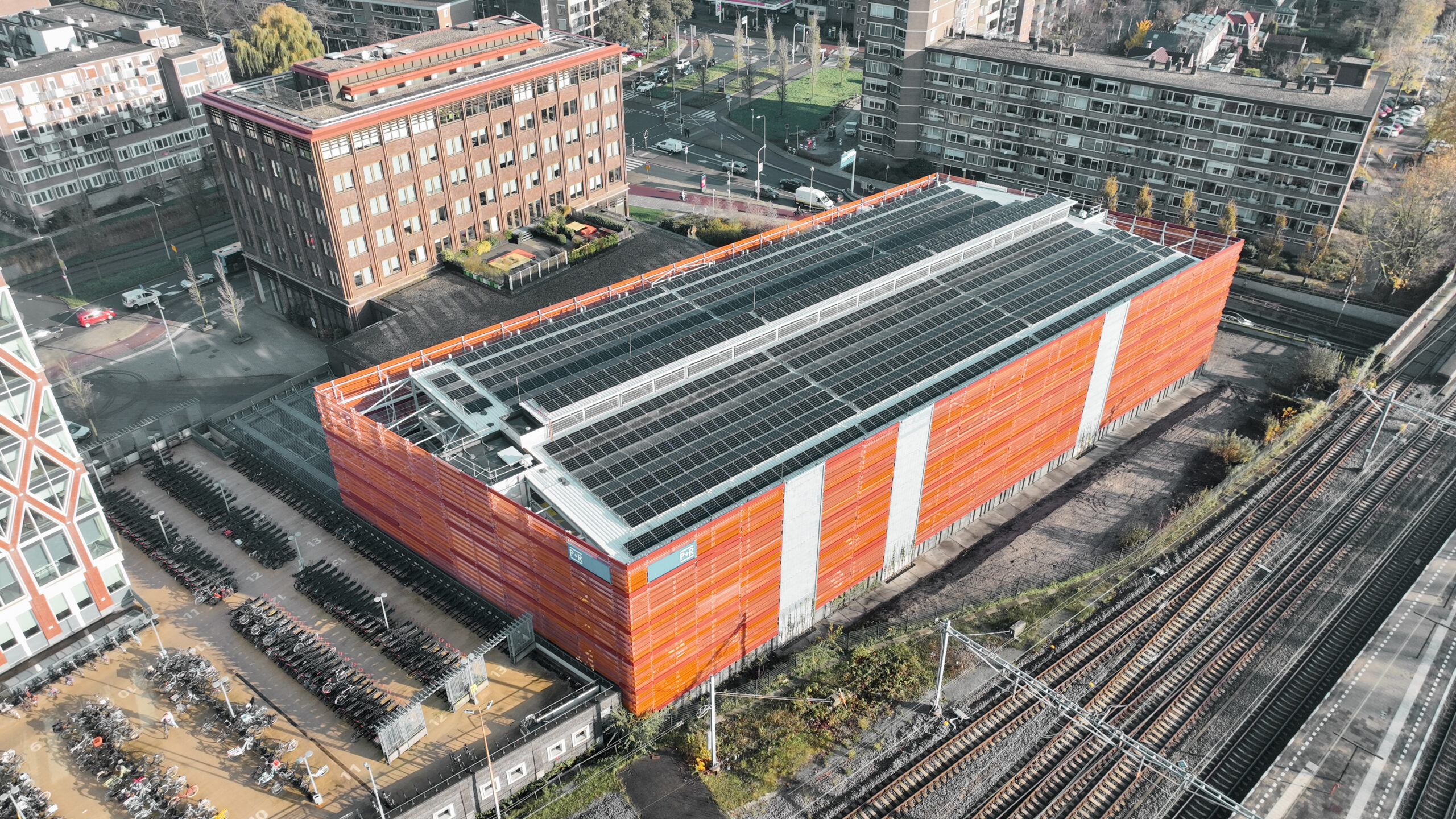
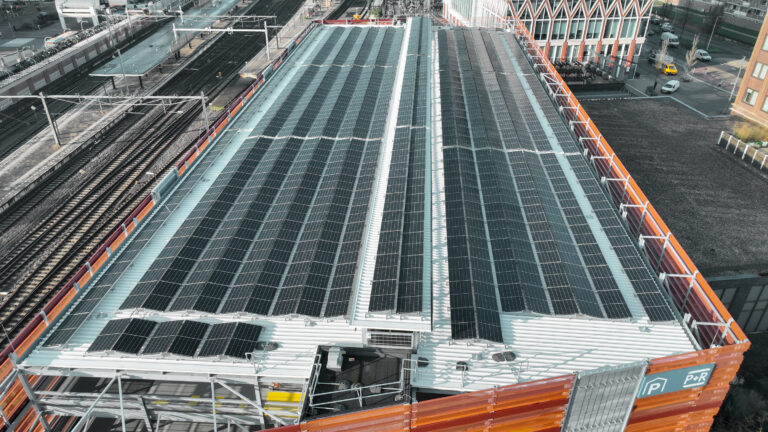
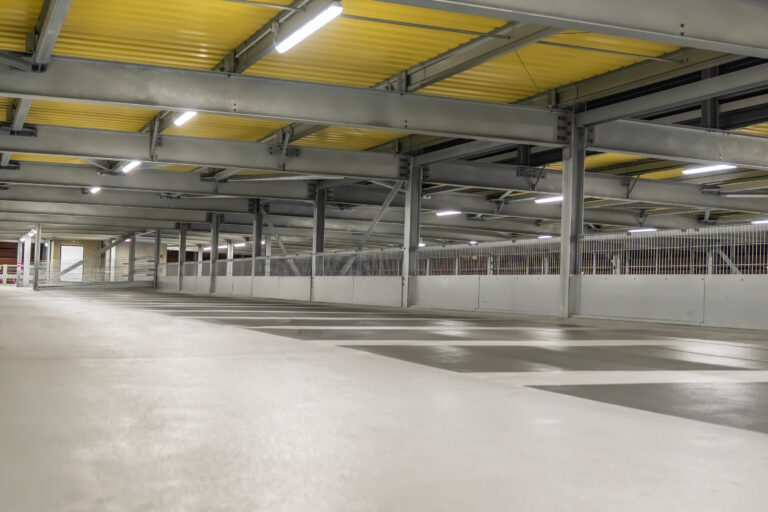
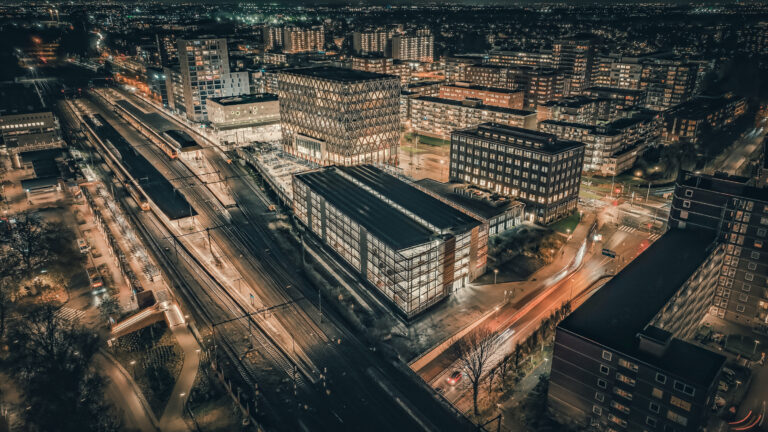
The addition of two split levels (levels 8 + 9) created an extra 83 parking spaces. Unlike the 2013 building, the new upper decks have a trapezoidal sheet metal roof to protect parked vehicles from the weather and significantly increase user comfort.
A photovoltaic system has also been installed on the roof. The electricity generated by this system supplies the neighbouring townhall, which is an important building block for the local energy transition and a clear contribution to reducing CO₂ emissions.
This construction project increased parking capacity without sealing off new green space, which is a key advantage of expanding the existing building in a resource-efficient way.
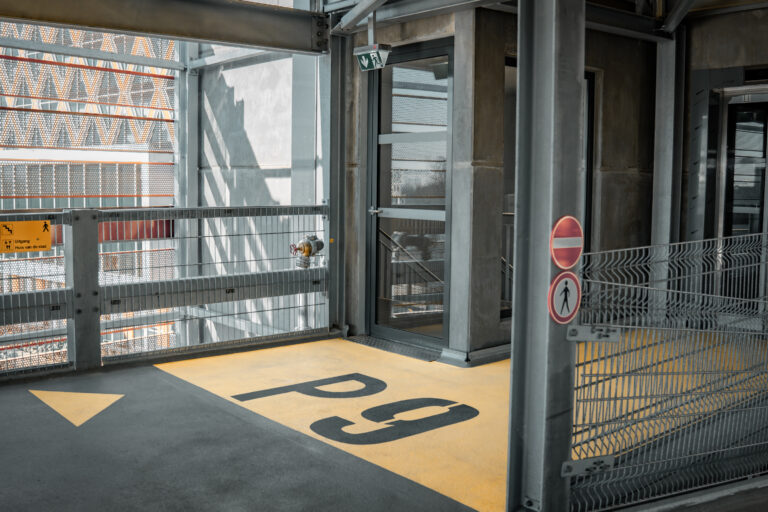
Technical overhaul of the existing parking infrastructure.
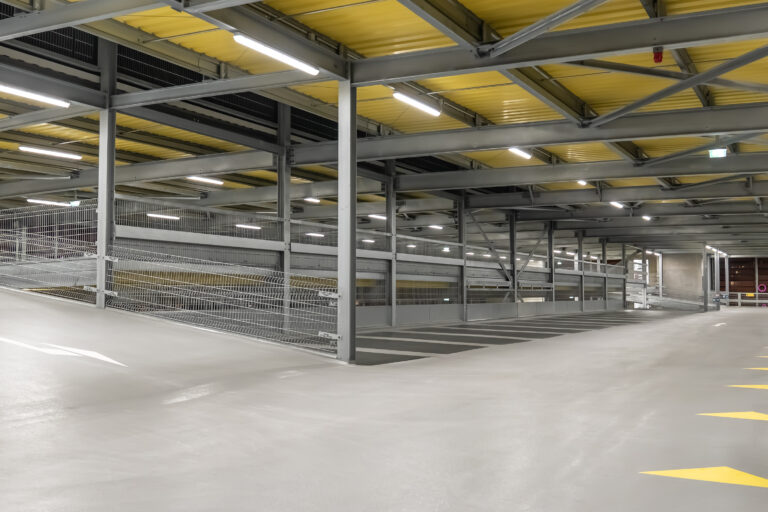
As part of the extension, the entire car park was comprehensively modernised and brought up to the latest technical standards:
- Conversion to energy-efficient LED lighting.
- Renewal of building technology, lift, motion detectors and fire alarm system.
- Adaptation of all systems to applicable Dutch and European standards.
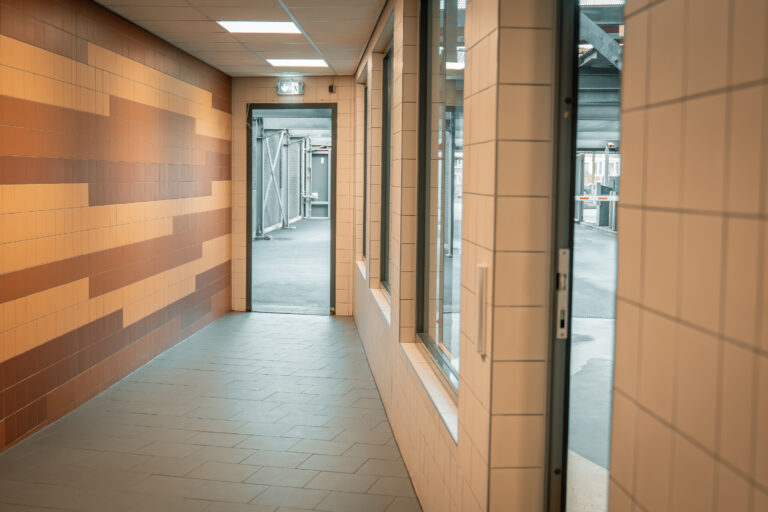
At the same time, the appearance was upgraded with the cleaning of all existing decks, renovation of coatings, new signage and fresh paint in the stairwells. New doors with glass panels now make the stairwells much brighter and more welcoming. The result is a car park with a new look and a significantly enhanced user experience.
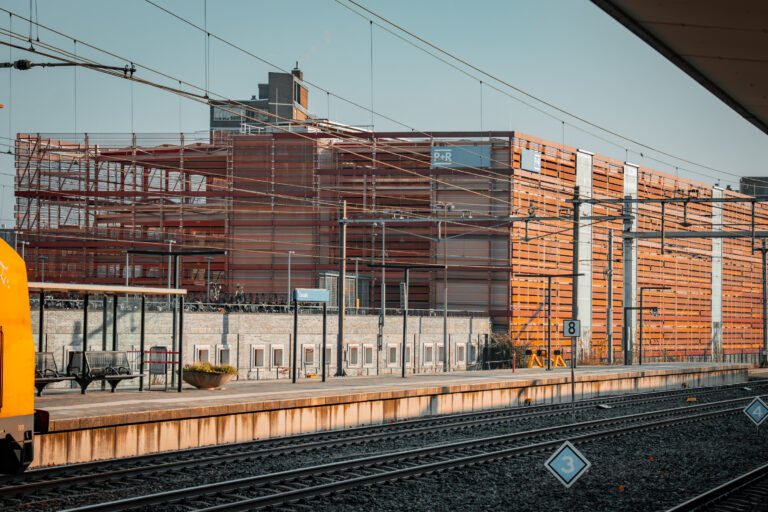
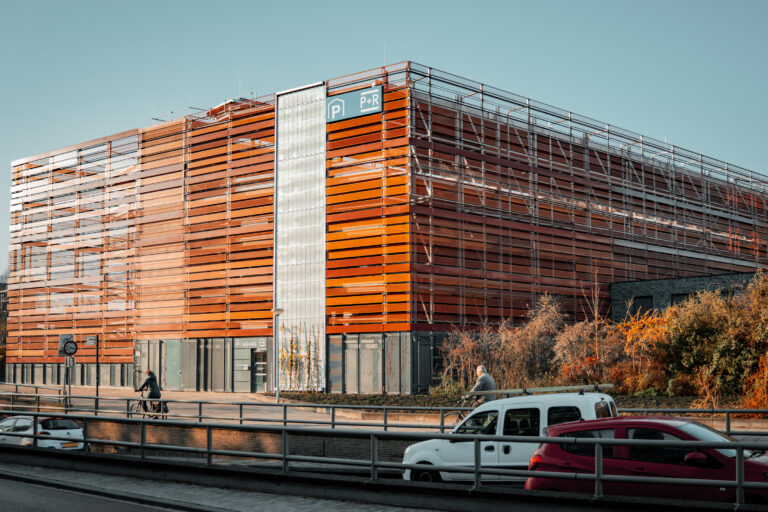
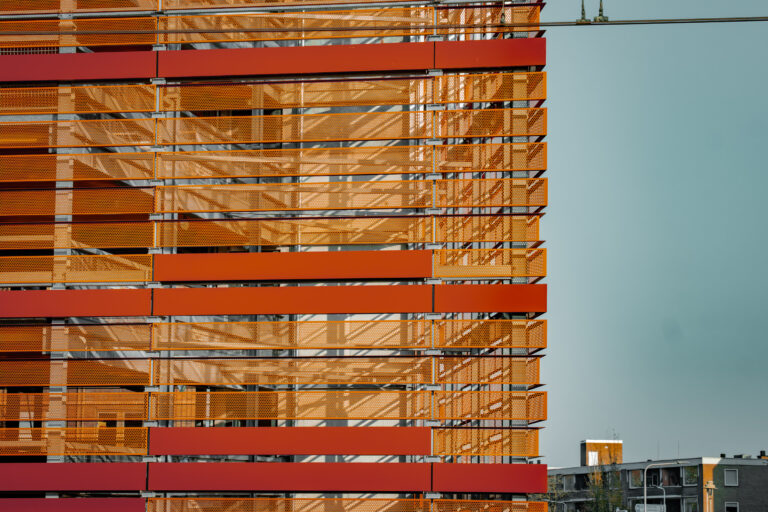
Architectural highlight: a perforated metal façade featuring integrated greenery.
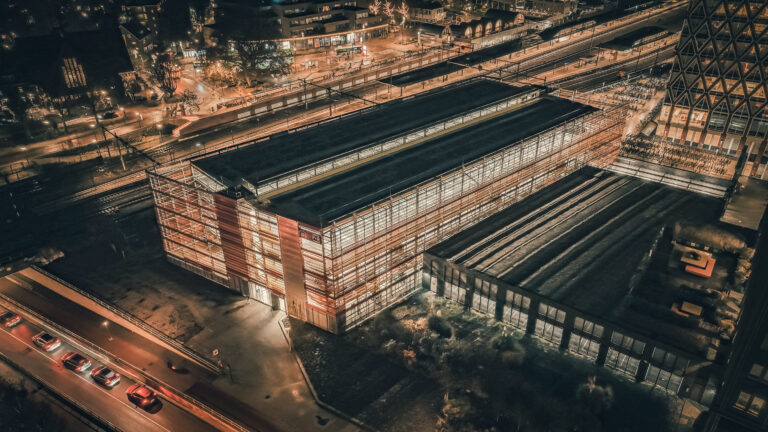
The striking perforated sheet metal façade is a notable design feature. As part of the extension, it was expanded to include two additional colours that blend in harmoniously and was supplemented by four vertical green fields that extend from the ground floor to the roof.
The challenge lay in combining the existing façade elements with the new colours to create a coherent overall appearance, while also integrating the green façade into the existing structure. The support structure had to be preserved and reinforced to accommodate the additional greenery, requiring a combination of architectural sensitivity and technical precision.
As well as enhancing the design, the green façade actively contributes to improving the microclimate and integrating the car park into the cityscape.
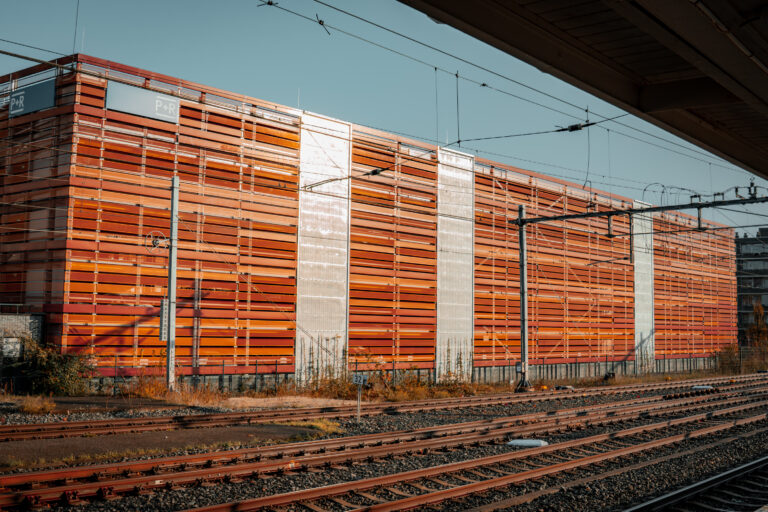
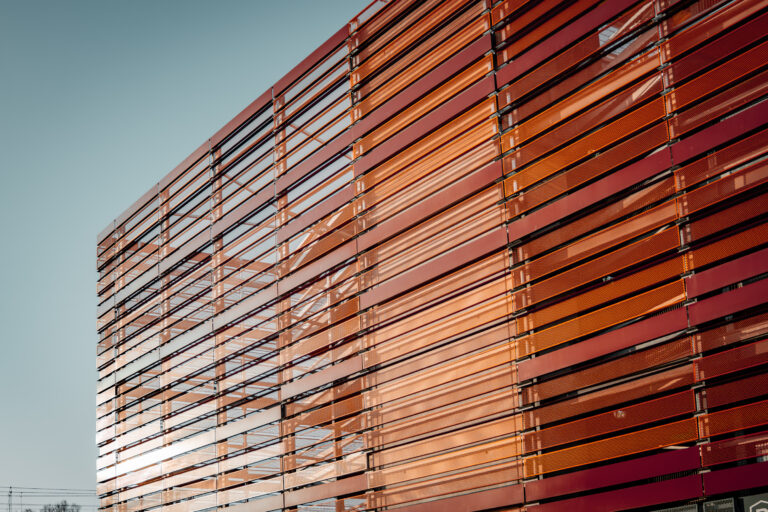
Sustainable car park construction in existing buildings. A showcase project.
This project is considered the first addition of its kind in the Netherlands and is a prime example of sustainable car park modernisation:
- Resource-saving expansion instead of new construction
- Energy savings through modern LED technology
- Power generation via photovoltaics
- Carbon footprint reduction
- Enhancement of the cityscape through façade greening
The result is a modern mobility solution that adapts flexibly to meet the needs of the city, its users and its visitors while also demonstrating the potential of revitalising existing parking infrastructure.